Teaching
Between 2020 and 2026, I taught in several higher education institutions in Benin and France, for a total of 689 hours (tutorial equivalent), of which 36% lectures, 23% tutorials and 41% lab sessions, from first-year Bachelor's to first-year Master's and engineering programs. These experiences allowed me to develop a coherent and progressive teaching approach, adapted to different academic levels and strongly oriented toward practice through student projects.
In Benin, I worked as a part-time lecturer at the Institute of Training and Research in Computer Science (IFRI) of the University of Abomey-Calavi (UAC), where I delivered 468 hours (tutorial equivalent) in Software Engineering programs. In France, I first taught 20 hours (tutorial equivalent) as a part-time lecturer at the Engineering School of the Littoral Côte d'Opale (EILCO), in the second year of the computer science engineering program, then, from September 2025 to August 2026, as a Temporary Teaching and Research Assistant (ATER) at the Calais university centre (CGU) of the Université du Littoral Côte d'Opale (ULCO): 201.25 hours (tutorial equivalent) in the Bachelor's programs in Mathematics, Physics and Computer Science (MSPI) and in second-year Computer Science.
Since September 2026, I have been an ATER at the IUT de Laval – Le Mans Université, with a planned teaching load of 192 hours (tutorial equivalent): 97.5 hours in the Bachelor of Technology (BUT) in Computer Science (R5.A.10 New Database Paradigms, R3.02 Efficient Development, follow-up of six internships) and 94.5 hours in the BUT in Multimedia and Internet (MMI) (R3.12 Front-end Development and Integration, R3.16 Project Management, R5.Dweb-DI.06 Advanced Back-end Development, SAÉ 2.03, follow-up of five internships). I lead three of these courses. With this load, my total teaching will reach 881 hours (tutorial equivalent).
Teaching activities
2026 — 2027
IUT de Laval — Le Mans Université
- R5.A.10 New Database Paradigms — 48h TD eq. — BUT Computer Science, year 3, track A (8 × 3h tutorials × 2 groups) — course leader
- R3.02 Efficient Development — 37h30 TD eq. — BUT Computer Science, year 2 (3 × 1h lectures, 11 × 1h30 tutorials × 2 groups) — course leader
- Follow-up of 6 internships — 12h TD eq. — BUT Computer Science
- R3.12 Front-end Development and Integration — 24h30 TD eq. — BUT MMI, year 2 (1 × 1h lecture, 4 × 1h30 tutorials × 3 groups, 1 × 1h30 lab × 5 groups)
- R3.16 Project Management, Git part — 13h30 TD eq. — BUT MMI, year 2 (3 × 1h30 tutorials × 3 groups)
- R5.Dweb-DI.06 Advanced Back-end Development — 27h TD eq. — BUT MMI, year 3, Web Development track — course leader
- SAÉ 2.03 Designing a Website with a Data Source — 19h30 TD eq. — BUT MMI, year 1 (13 × 1h30 development support sessions)
- Follow-up of 5 internships — 10h TD eq. — BUT MMI, year 2
2025 — 2026
CGU — ULCO
- Computer Architecture — 33h45 TD eq. — Bachelor's year 1 MSPI (Lectures, Tutorials)
- Architecture and Systems 2: Linux — 28h TD eq. — Bachelor's year 2 Computer Science (Lab sessions)
- Architecture and Systems 3: Processes, Memory, Concurrent Programming — 14h TD eq. — Bachelor's year 2 Computer Science (Lab sessions)
- Web 1: HTML / CSS — 67h30 TD eq. — Bachelor's year 1 MSPI (Lectures, Tutorials)
- Web 2: Client-side (JavaScript, jQuery, Ajax) — 28h TD eq. — Bachelor's year 2 Computer Science (Lab sessions)
- Web 3: Server-side (PHP, MySQL) — 12h TD eq. — Bachelor's year 2 Computer Science (Lab sessions)
- SAÉ: Web Project — 18h TD eq. — Bachelor's year 2 Computer Science (Lab sessions)
2024 — 2025
EILCO
- Dynamic Systems Modeling — 20h TD eq. — Engineering program year 2, Computer Science (Lab sessions)
IFRI — UAC
- Mobile Application Development — 35h TD eq. — Bachelor's year 3 Software Engineering (Lectures, Lab sessions)
- Technology Watch — 27h30 TD eq. — Bachelor's year 3 Software Engineering (Lectures, Tutorials)
- Human-Computer Interaction — 35h TD eq. — Master's year 1 Software Engineering (Lectures, Tutorials)
- Advanced Web and Mobile Development — 35h TD eq. — Master's year 1 Software Engineering (Lectures, Lab sessions)
2023 — 2024
IFRI — UAC
- Mobile Application Development — 35h TD eq. — Bachelor's year 3 Software Engineering (Lectures, Lab sessions)
- Technology Watch — 27h30 TD eq. — Bachelor's year 3 Software Engineering (Lectures, Tutorials)
- Human-Computer Interaction — 35h TD eq. — Master's year 1 Software Engineering (Lectures, Tutorials)
- Advanced Web and Mobile Development — 35h TD eq. — Master's year 1 Software Engineering (Lectures, Lab sessions)
2022 — 2023
IFRI — UAC
- Mobile Application Development — 35h TD eq. — Bachelor's year 3 Software Engineering (Lectures, Lab sessions)
- Technology Watch — 27h30 TD eq. — Bachelor's year 3 Software Engineering (Lectures, Tutorials)
- Human-Computer Interaction — 35h TD eq. — Master's year 1 Software Engineering (Lectures, Tutorials)
- Advanced Web and Mobile Development — 35h TD eq. — Master's year 1 Software Engineering (Lectures, Lab sessions)
2021 — 2022
IFRI — UAC
- Mobile Application Development — 35h TD eq. — Bachelor's year 3 Software Engineering (Lectures, Lab sessions)
2020 — 2021
IFRI — UAC
- Mobile Application Development — 35h TD eq. — Bachelor's year 3 Software Engineering (Lectures, Lab sessions)
Organization of the taught modules
-
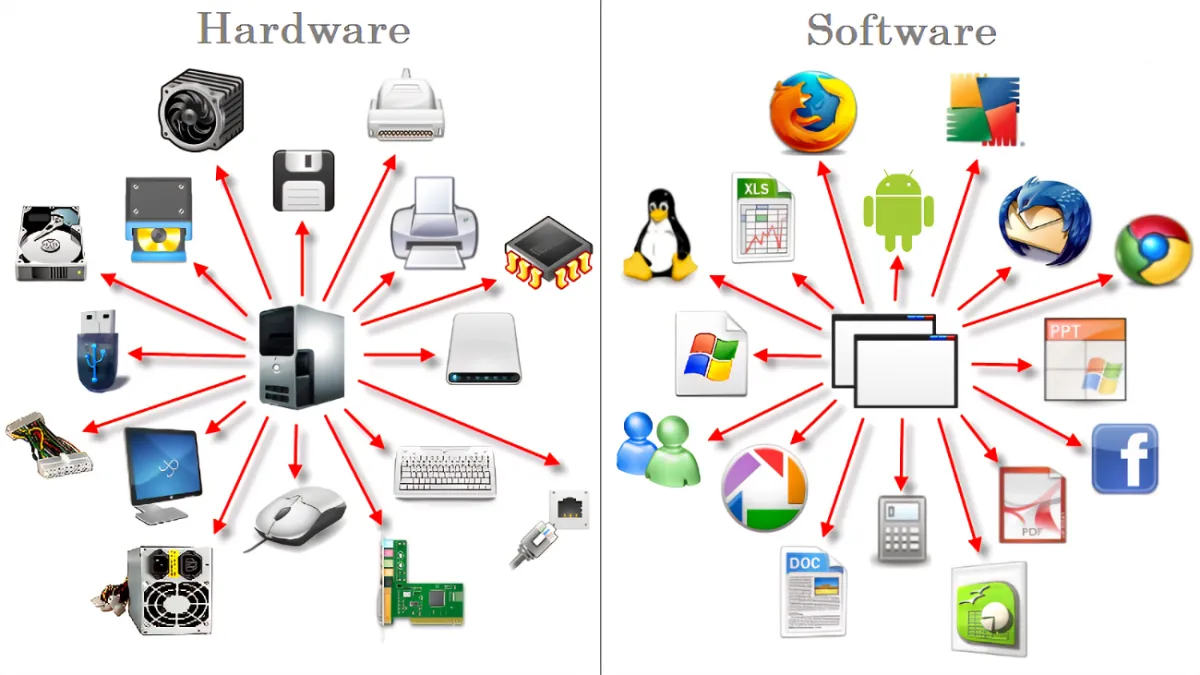 Computer Architecture (Lectures — Tutorials)
Introduction to hardware architectures and internal functioning of computer systems, including x86 processors, digital logic, and information acquisition and encoding.
-
 Web Development: HTML / CSS (Lectures — Tutorials)
Web fundamentals, page structure and styling, responsive design, media integration, and an introduction to modern CSS frameworks and deployment.
-
 Technology Watch (Lectures — Tutorials)
Introduction to economic intelligence and technology watch, including methods and tools to monitor hardware and software innovations and their impact on companies.
-
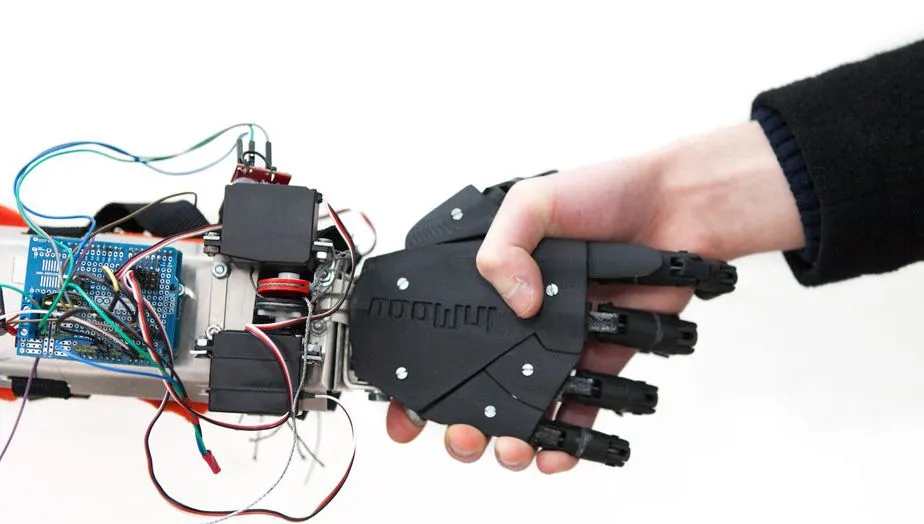 Human Computer Interaction (Lectures — Tutorials)
User interface design and evaluation, including ergonomics, prototyping, usability audits and design tools for web and mobile applications.
-
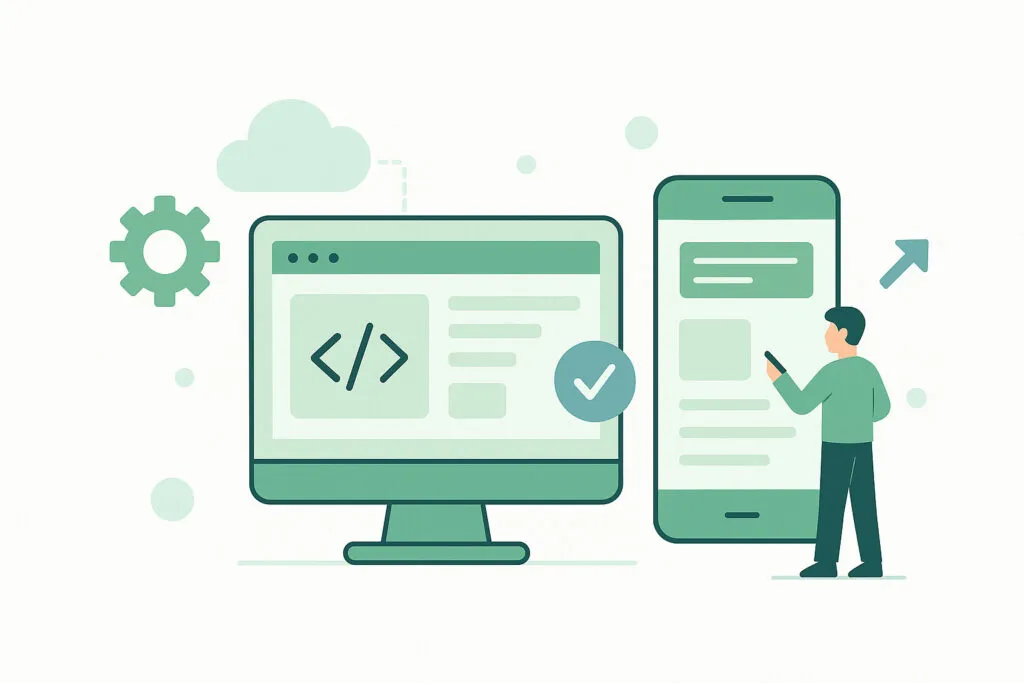 Advanced Web and Mobile Development (Lectures — Lab sessions)
Modern software architectures, APIs, NoSQL databases, microservices, and the evolution of web and mobile development frameworks, including Flutter.
-
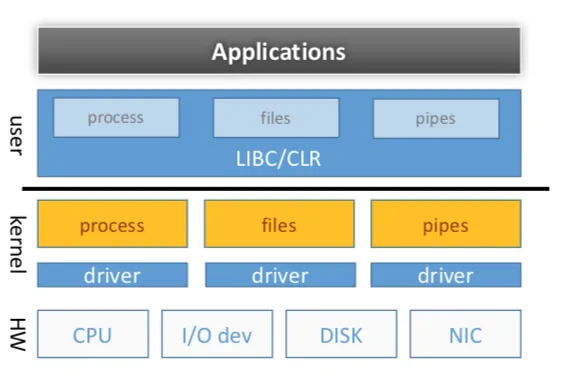 Architecture & Operating Systems 2 and 3: Linux (Lab sessions)
Hands-on exploration of Linux internals, including assembly programming, process and thread management, scheduling, synchronization and the XV6 file system.
-
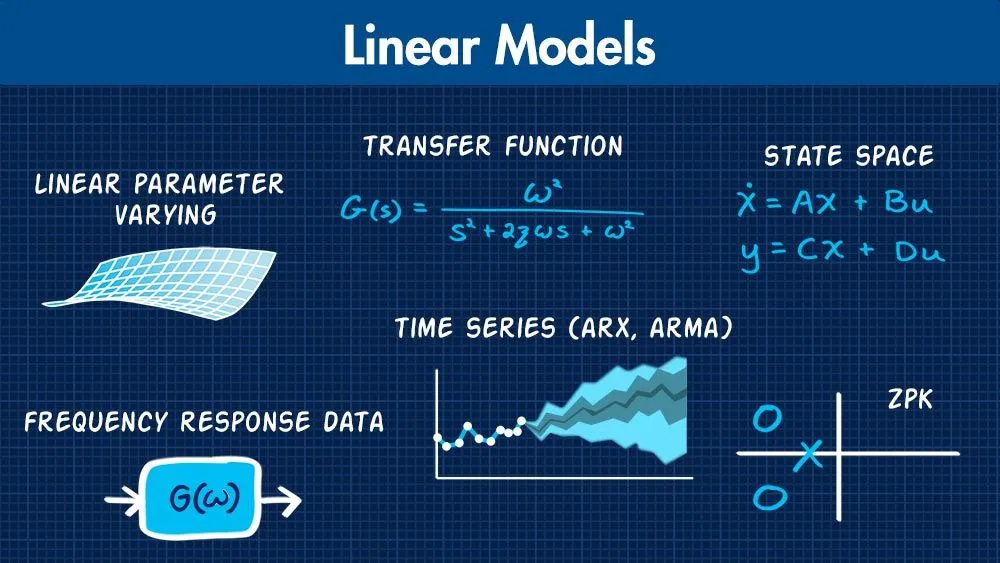 Dynamic Systems Modeling (Lab sessions)
Modeling and simulation in Matlab of linear and nonlinear systems, including Lotka-Volterra models, autonomous pendulum models, and SIR-type epidemic spread models.
-
 Web Project
Development of a complete website in a group of three, applying the knowledge acquired in the JavaScript and PHP/MySQL modules.
- Mobile Application Development (Lectures — Lab sessions) The full mobile development cycle with Flutter: the Dart language, Flutter widgets, data persistence, sensors and geolocation, HTTPS communication, and a group project from specifications to a working application.
- R5.A.10 — New Database Paradigms (Tutorials — Lab sessions) BUT Computer Science, year 3 (S5, track A): non-relational paradigms — embedded, mobile and object databases, and NoSQL (key-value, document, column, graph).
- R3.02 — Efficient Development (Lectures — Tutorials) BUT Computer Science, year 2 (S3): complex data structures (collections, trees, dictionaries) and a first approach to performance analysis (profiling, optimization, green code).
- R3.12 — Front-end Development and Integration (Lectures — Tutorials — Lab sessions) BUT MMI, year 2 (S3): adaptive and interactive web pages — responsive design, DOM and events, asynchronous programming, ECMAScript modules, front-end components.
- R5.Dweb-DI.06 — Advanced Back-end Development (Tutorials) BUT MMI course (year 3, Web Development track) devoted to the design and development of server-side web applications.
- R3.16 — Project Management: Git and Collaborative Work (Tutorials) BUT MMI, year 2 (S3), Git part of the Project Management course: commits, branches, merges, conflicts and a collaborative workflow (main, dev, feature branches).